Independent Restoration Contractor vs Insurance Preferred Vendor
When property damage happens, the decisions you make in the first few hours and days matter.
Those early choices can directly impact the quality of the restoration, the strength of your insurance claim, and even the long-term health of your property.
One of the most important decisions you’ll make right away is choosing the restoration contractor.
Often, the first recommendation you’ll hear from an insurance adjuster is to call their “preferred vendor.
Sounds great, right?
But the real question is: preferred by who?
You, or the insurance company?
Let’s look at this with another type of situation.
If you were in a car accident where the other driver was at fault and responsible for paying for repairs, would you take your car to their mechanic or your own trusted mechanic to get an estimate?
Most people would choose their own, or at least an independent third party who can fairly assess the damage and repairs.
Your home is no different.
You have the legal right to choose who YOU want to restore your property, not who the insurance company prefers.
Now, let’s take a deeper look at the real differences between independent restoration contractors and insurance preferred vendors.
What Is an Independent Restoration Contractor?
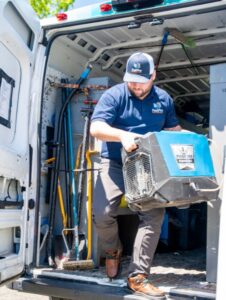
An independent restoration contractor is someone you, the property owner, research and hire directly.
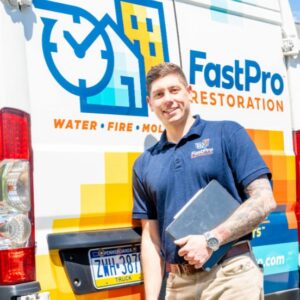
Companies like FastPro Restoration are not tied to any insurance company programs, which means our focus is 100% on you.
More simply put: we work for you, not your insurance company.
That means we take the time to conduct a thorough, unbiased damage assessment, create a detailed restoration plan based on what your property actually needs, and document everything to support your insurance claim.
Our focus is on doing the job right—restoring your property correctly, ensuring its structural integrity, and protecting its long-term value.
What Is an Insurance Preferred Vendor?
An insurance “preferred vendor” is a contractor chosen by insurance companies to work inside their vendor networks.
That approval comes with strings attached that most homeowners don’t know about when their insurance company tells them to call a “preferred vendor”.
Most homeowners, when they first hear this term, think it means that the contractor insurance recommended has more certifications, more experience, and a higher quality of work than the standard restoration company.
This is simply not true.
Preferred vendors are required to follow the insurance company’s rules, pricing guidelines, and scope decisions—often with very little flexibility.
Their work is closely tied to keeping adjusters happy, because upsetting an insurance company can mean losing future referrals altogether.
In practice, we believe this dynamic creates a conflict that the homeowner is often unaware of.
When a contractor’s livelihood depends on insurance referrals, their priority could shift toward protecting that relationship rather than advocating for the property owner.
Many large restoration companies choose the preferred‑vendor model because it offers a steady, predictable flow of work—even if it means accepting limitations imposed by the insurer.
Independent Contractor vs Preferred Vendor: Side-by-Side Comparison
When it comes to representation, an independent contractor works for you—the property owner. Their priority is protecting your interests and making sure your property is fully restored.
A preferred vendor, on the other hand, operates within the insurance company’s framework.
They must follow the insurer’s rules, priorities, and limitations, even when those don’t fully align with what the property actually needs.
The scope of work is one of the biggest differences.
Independent contractors take a thorough, detailed look at all damage and develop a comprehensive restoration plan based on the property’s true condition.
Preferred vendors may be limited to those the insurance company initially approves, which can sometimes result in incomplete repairs or missed damage.
Both independent restoration companies and preferred vendors use Xactimate for pricing, so pricing itself shouldn’t be different.
When numbers vary, it’s almost always because the scope of work is different, not the price list.
When it comes to the insurance claim, independent contractors make sure they document the damage thoroughly so the adjuster has all of the information they need to properly evaluate the claim.
Preferred vendors typically do not challenge or expand the insurance company’s scope—even when additional work is justified.
And finally, there’s the quality of restoration.
Independent contractors focus on doing the job right and restoring the property fully—because their reputation depends on your satisfaction.
Preferred vendors often prioritize speed and efficiency to close claims quickly—because their ongoing work depends on their relationship with the insurance company.
Why This Choice Directly Impacts Your Insurance Claim
The contractor you choose plays a huge role in how your restoration and insurance claim turn out.
Damage Documentation
We make sure every single affected area is identified, recorded, and backed up with solid justification.
Why?
Because missing documentation can lead to denied or underpaid claims.
Preferred vendors, on the other hand, might stick to what’s already approved, which could mean hidden or secondary damage is overlooked.
Scope Accuracy
A well-written scope is the backbone of your claim.
We take the time to create detailed, line-by-line scopes based on what’s actually happening at your property.
That includes structural, material, and environmental factors—nothing gets left out or minimized.
Preferred vendors often rely on the insurance adjuster to confirm and approve the scope for full restoration.
Restoration Outcome
The restoration process isn’t just about making things look good—it’s about ensuring long-term durability and safety.
We focus on moisture control, structural drying, material integrity, proper replacements, and compliance with code and safety standards.
Preferred vendors might prioritize speed over thoroughness, which can sometimes compromise the quality of the repairs.
The Hidden Risks of Choosing a Preferred Vendor
Preferred vendors might seem like the easy, go-to choice, but there are some potential downsides you should know about.
For starters, the scope of repairs is often limited to what the insurance company approves—not necessarily everything your property actually needs.
Decisions can also be heavily cost-driven, with pre-set pricing influencing the materials used, the time spent on labor, and even the repair methods.
Transparency can be another issue.
Communication often goes through the insurance company, which means you might not get the full picture or have direct clarity about what’s happening.
And while speed might sound like a good thing, it can sometimes come at the expense of thoroughness.
Rushing through repairs can leave room for future problems to pop up, which is the last thing you want.
The Advantages of Working With an Independent Restoration Contractor
Working with an independent contractor comes with some serious perks that make a real difference.
First off, you’re in full control.
You get to decide who’s doing the work in your home or business based on your own research.
Transparency is a big deal for us, too.
We keep everything clear with detailed documentation, thorough scopes, and direct communication every step of the way.
When it comes to your insurance claim, we’ve got your back.
We make sure it’s supported with accurate data, solid reporting, and professional justification to get you what you deserve.
And let’s not forget the quality of the restoration itself.
Our goal is to bring your property back to its pre-loss condition—or even better.
You Are Not Required to Use a Preferred Vendor
Did you know you’re not obligated to use a preferred vendor?
Many property owners don’t realize this, but you have the legal right to choose your own contractor.
Sure, insurance companies might suggest their preferred vendors, but at the end of the day, the choice is 100% yours.
By going with an independent contractor, you’re making sure your interests come first, your property gets the care and attention it truly needs, and your claim is fully and accurately represented.
It’s your property, your claim, and your call!
Our Approach to Property Damage Restoration
Like many independent restoration companies, we’re all about putting property owners first and taking a thorough, no-shortcuts approach to every project.
It starts with a detailed damage assessment—we check everything, from hidden moisture to structural components and even secondary damage that might not be obvious.
Then, we create a fully itemized scope of work based on what your property actually needs, not some preset limitations.
When it comes to your insurance claim, we’ve got your back.
We handle the documentation, estimates, and communication to make sure your claim truly reflects the full extent of the damage.
As for the restoration itself, we don’t cut corners.
We use proven methods, high-quality materials, and stick to strict standards to get your property back to where it needs to be.
And through it all, we keep the lines of communication open, so you’re always in the loop and never left wondering what’s next.
How to Choose the Right Restoration Contractor
Choosing the right contractor comes down to a few key things.
Look for someone who’s independent from insurance programs, has solid experience handling insurance claims, and knows how to document everything thoroughly.
Check out their website, read reviews on Google, and ask if they can provide references.
Transparent communication is a must, and they should be committed to fully restoring your property—not just patching things up.
The right contractor will make sure your property isn’t just fixed but fully restored and protected for the long haul.
Who Gets To Choose The Contractor?
As the property owner, you have the right to research and choose the contractor of your choice to restore your home or business.
It’s your home, so it’s your choice. Insurance companies are only responsible for paying you a fair amount for your claim, but ultimately, you get to decide who performs those services for you.
Don’t let other parties influence your decisions. Do your own research and pick whatever company suits you best.
Final Verdict: Independent Contractor vs Preferred Vendor
Here’s the deal:
An independent restoration contractor is on your side.
They’ll advocate for you, document everything thoroughly, and make sure your property is fully restored.
A preferred vendor?
They’re tied to the insurance company’s rules, focusing more on efficiency and cost control than on what’s best for you.
The bottom line?
Go with an independent contractor.
They’ll ensure every bit of damage is identified and documented, your claim reflects the true extent of your loss, and your property is restored to top-notch standards.
When it comes to protecting your property, investment, and peace of mind, the choice should always be about what’s best for you—not what’s convenient for the insurance company.