You had water damage but now all of the water is gone.
At a first glance, everything may look fine. Floors feel solid. Walls seem dry. That musty smell has faded. But as professionals who deal with water damage every day, we know one thing for sure. Water simply does not just disappear indoors.
Moisture cannot evaporate upward through ceilings or roofs. It follows gravity. Water moves down walls, collects at the floor, and spreads outward, often in what we describe as an “upside-down T” pattern. Even small amounts of water can travel far beyond the area you initially notice.
In this blog, we will explain how to tell if your home is truly dry, why skipping steps can lead to costly problems, and where professional water damage restoration fits into the process. Drying is not the whole job. It is just one critical part of it.
Why “Looking Dry” Isn’t Enough
After a flood, leak, or burst pipe, it is natural to focus on what you can see. In many cases, standing water disappears within hours or days. That does not mean the problem is solved.
Water has nowhere safe to go. It soaks into drywall and insulation, subflooring and wood framing, HVAC systems, and wall cavities behind finished surfaces.
Even when surfaces feel dry to the touch, moisture can remain trapped inside materials. That is where serious issues begin. Water damage does not fix itself. If it is not properly mitigated, it hides quietly and continues causing secondary damage until it is addressed correctly.
What Happens If Moisture Lingers?
Hidden moisture creates a chain reaction of problems.
Mold can begin growing within 24 to 48 hours, turning a minor water issue into a major remediation project. Wood and drywall can weaken over time, affecting the structural integrity of your home. Odors become persistent and difficult to eliminate. Indoor air quality suffers, which can trigger allergies, asthma, and other respiratory issues. Mold remediation is typically more expensive than water mitigation and is not always covered by insurance. Acting quickly can help protect both your home and your wallet.
This is why proper water damage restoration is not just about drying. It is about verifying that everything is truly dry. Understanding that difference can save you time, money, and long-term stress.
How to Tell If Your Home Is Truly Dry
True dryness requires more than a visual check. It takes the right tools and a professional approach.
Here is how it is done.
Moisture Meters: How Pros Know for Sure
Professional restoration companies rely on moisture meters to measure what is happening inside materials, not just on the surface. These tools allow technicians to check moisture levels in wood, drywall, flooring, and framing.
For wood, moisture content should typically be below 12 to 15 percent. Drywall should match moisture levels in unaffected areas. Flooring should show consistent readings across the entire space.Inconsistent readings are a red flag. Experienced professionals understand what is normal for your home’s environment and can identify issues that homeowners often miss.
When in doubt, a professional moisture inspection is the safest next step.
Infrared Thermal Imaging
Thermal imaging cameras help detect temperature differences caused by hidden moisture. Wet areas appear cooler than dry ones, making it possible to locate moisture behind walls or beneath floors without unnecessary demolition.
This technology allows restoration professionals to identify hidden leaks, track moisture migration, and target drying efforts precisely. Instead of guessing, thermal imaging provides clear, actionable data.
The Smell Test
Musty, damp, or earthy odors are often the first sign that moisture is still present.
If something smells off, it usually is. Persistent odors indicate that water has not been fully removed, even if everything looks fine visually. Your nose can be an early warning system, so do not ignore it.
Warping, Buckling, or Staining
Physical changes are another clue that moisture may still be present. These include warped or uneven wood flooring, baseboards popping off walls, bubbling or peeling paint, discoloration or staining, and soft or spongy areas underfoot. These are not cosmetic issues. They are indicators of ongoing moisture problems that need to be addressed.
Indoor Humidity Levels
In a properly dried home, indoor humidity should stay between 30 and 50 percent. Consistently higher levels can indicate hidden moisture in walls or floors, inadequate ventilation, or incomplete drying.
A simple hygrometer can help monitor humidity. If levels remain elevated, further investigation is needed.
Why Proper Drying Matters More Than You Think
It Affects Your Health
Lingering moisture creates ideal conditions for mold growth. According to the CDC, exposure to mold in damp indoor environments has been associated with respiratory symptoms, allergic reactions, and skin irritation, and can worsen asthma in sensitive individuals. Proper drying helps protect indoor air quality, your home, and the people living in it.
It Can Impact Insurance Coverage
Improperly handled water damage can complicate future insurance claims. If additional damage occurs due to leftover moisture, insurers may deny coverage, leaving homeowners responsible for repairs.
Structural Damage Adds Up Over Time
Even small amounts of moisture can slowly weaken framing, subfloors, and drywall. This damage does not happen overnight, but it does happen quietly and becomes expensive to fix if ignored.
The Role of Professional Water Damage Restoration
What Experts Do Differently
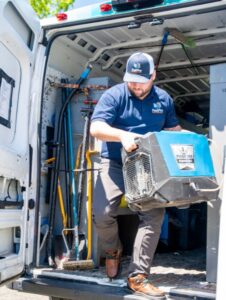
Professional restoration follows a structured process. This includes a thorough inspection and moisture mapping, rapid water extraction, controlled drying with commercial-grade equipment, and final verification before drying equipment is removed.
Skipping any step increases the risk of mold and structural damage.
Why DIY Drying Falls Short
Household fans and rented equipment cannot match the effectiveness of professional tools. Without advanced moisture detection and proper airflow control, DIY drying often leaves moisture behind and sets the stage for future problems.
Professionals do not just dry. They verify.
Common Mistakes Homeowners Make
Stopping Too Soon
Ending the drying process early is one of the most common mistakes. Just because equipment is loud and inconvenient does not mean it is done working.
Overlooking Hidden Areas
Water does not stay where you can see it. Behind walls, under cabinets, and inside insulation are common problem zones.
Trying to Save Unsalvageable Materials
Some materials, like insulation or particle board, should be removed rather than dried.
Skipping Final Verification
A professional inspection ensures nothing was missed and provides peace of mind.
How Long Should Drying Take?
Drying time depends on the severity of damage, affected materials, and environmental conditions.
Minor to standard damage typically takes 3 days. Moderate to major damage can take 3 to 7 days. More complicated and severe damage may take 7 to 14 days or more.
If drying seems unusually fast, that is often a warning sign, not a success.
Preventing Future Moisture Problems
Installing moisture barriers in basements, using dehumidifiers in humid environments, inspecting plumbing and appliances regularly, and ensuring proper ventilation in kitchens, bathrooms, and laundry areas all help reduce future moisture issues.
Prevention is not exciting, but it works.
Conclusion
True dryness requires verification through moisture readings, humidity checks, and professional assessment. Drying is only one piece of the restoration process, and skipping verification can lead to bigger problems later.
If there is any doubt, take the extra step and have a restoration professional confirm it. When it comes to your home, probably dry is not good enough. Contact us to make sure it is done right.
Water Damage Restoration FAQs
How can I tell if water damage is completely dry?
Visual checks are not enough. Moisture readings, humidity monitoring, and professional inspections from a certified restoration company provide confirmation if everything is truly dry.
Is it safe to stay in a home that has had water damage?
It can be safe, but only if the area has been properly dried and restored. Lingering moisture can lead to mold growth and poor indoor air quality.
Can mold grow even if everything looks dry?
Yes. Mold can grow in hidden moisture pockets behind walls or under floors if not mitigated properly
Should I always call a professional for water damage restoration?
In most cases, yes. Professionals have the tools and experience to ensure the job is completed correctly. Many restoration companies come out to inspect damage for free. So call them and ask them to show you evidence of the damage before contacting your insurance company.
What is the biggest risk of incomplete drying?
Mold growth and structural damage can both be costly and potentially harmful effects of incomplete drying and mitigation. Water damage mitigation properly mitigated today is often cheaper than the mold remediation costs you may need to pay for out of pocket down the road.