Why 24/7 Emergency Restoration Services Can Save You Money
24/7 emergency restoration services are not a convenience. Disasters have a way of striking at the worst possible moments. A pipe bursts at 2:00 a.m. A kitchen fire flares up during a holiday dinner. A midnight storm tears shingles right off your roof. When something like this happens, every single minute counts. Waiting to clean up and stabilize the mess, even for just a few hours, can turn a manageable problem into a much bigger one, driving up the damage, the repair bills, and the time it takes to get your home or business back to normal.
More than 60% of residential water damage events occur outside normal business hours, making access to 24/7 emergency restoration services critical for limiting damage. Every hour of delay increases the scope and often the cost of restoration.
That’s exactly why 24/7 emergency restoration is such a lifeline for homeowners and business owners alike. A fast response gives you more than peace of mind. It stops secondary damage in its tracks, protects the structure of your property, strengthens your insurance claim, and often saves you thousands of dollars in repairs down the road.
We’ll walk you through why emergency restoration is so time-sensitive, how the pros handle a disaster when they arrive, and why acting right away is one of the smartest financial moves you can make.
Why Every Minute Counts
Here’s something a lot of people don’t realize: the damage doesn’t stop when the disaster does. Whether you’re dealing with water, fire, mold, storms, or a sewage backup, your building keeps deteriorating long after the initial event.
Water quietly seeps into drywall, insulation, flooring, and structural framing. Smoke residue works its way into porous materials, and the longer it sits, the harder it becomes to remove. An exposed roof lets rain pour right into your home. And in the right conditions, mold can start growing in as little as 24 to 48 hours.
That’s the whole point of 24/7 emergency restoration to break this cycle before the secondary damage becomes worse than the original problem. And here’s the good news for your wallet: acting early almost always costs far less than a full-scale reconstruction later on.
What Are 24/7 Emergency Restoration Services?
Simply put, emergency restoration companies show up the moment disaster strikes, no matter the hour. You don’t have to wait until Monday morning or the end of a holiday weekend. Help is available around the clock.
A typical emergency response can include:
- Water extraction
- Fire damage mitigation
- Emergency board-up
- Roof tarping
- Structural drying
- Smoke damage cleanup
- Sewage cleanup
- Mold prevention
- Debris removal
- Moisture mapping
- Emergency demolition when necessary
Instead of leaving your property to sit and worsen overnight, trained crews get to work stabilizing things right away. That fast start makes all the difference.
Saving Money Through Rapid Water Mitigation
Water spreads faster than most people expect. In just a few hours, it can saturate drywall, damage hardwood flooring, soak through insulation, warp cabinetry, and weaken subfloors, and affect electrical systems
Left alone, all that moisture invites mold, and that’s when your restoration costs really start to climb.
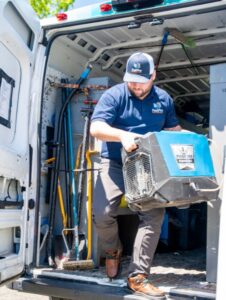
This is where a professional 24/7 team earns its keep. Using commercial extraction equipment and industrial drying systems, restoration crews pull water out before it causes permanent harm. The quicker your building dries, the more of your materials can be saved rather than torn out and replaced, which means less disruption, lower costs, and a faster return to normal.
Limiting Fire Damage After the Flames
It’s easy to assume the danger is over once the firefighters pack up and leave. Unfortunately, that’s not quite the case. In fact, secondary damage can keep unfolding for days after the last flame is out.
Here’s why. Smoke residue is acidic, and if it isn’t cleaned up fast, it can permanently stain walls, ceilings, and belongings. All that water used to fight the fire? It creates a whole new moisture problem of its own. An unsecured building is left wide open to weather, theft, and vandalism.
That’s where a quick-response crew makes a real difference. Right away, our team will:
- Board up broken windows
- Tarp any damaged roofing
- Remove standing water
- Begin smoke cleanup
- Protect the belongings that can still be saved
Acting fast like this helps preserve both the structure of your property and the things inside that matter most to you.
Preventing Mold Growth
One of the biggest benefits of 24/7 emergency restoration is something you might not see coming: mold prevention.
Mold loves moisture, and it will settle in anywhere dampness lingers. The tricky part is that it often hides in places you’d never think to check and that’s behind drywall, under flooring, crawl spaces, ceiling cavities, wall insulation and the HVAC systems.
The moment our crew arrives, commercial dehumidifiers and air movers get to work pulling out that moisture. By drying things out quickly, we take away the damp conditions mold needs to grow. And here’s the bottom line: stopping mold before it starts is almost always far cheaper than cleaning it up later.
Reducing Business Interruption
If you own a commercial property, you already know the truth: time really is money. Every day your doors stay closed can add up fast, leading to lost revenue, employee downtime and frustrated customers.
Emergency restoration keeps those setbacks to a minimum. By stabilizing your building quickly, we clear the way for reconstruction to begin sooner, so you can get back to business. And to make things even smoother, many of our crews work hand in hand with property managers, insurance adjusters, and contractors to speed up your recovery every step of the way.
Protecting Structural Integrity
Buildings don’t stay still after a disaster. They keep changing, often for the worse. Water weakens wood framing. Fire compromises the components holding everything together. Storms tear open roof systems and leave them exposed. Without quick action, that deterioration only gets worse.
Our restoration technicians know exactly what to look for. They spot hazards early and put temporary protections in place to keep your building safe and stable while we plan out the permanent repairs.
Supporting Insurance Claims
After a covered loss, most insurance companies expect you to take reasonable steps to prevent further damage. This step is called mitigation, and it’s an important part of protecting your claim.
The good news? A professional 24/7 restoration team handles the documentation for you, carefully recording:
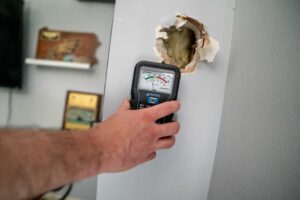
- Moisture readings
- Damage photographs
- Equipment placement
- Daily drying progress
- Structural conditions
- Emergency stabilization work
This kind of detailed record often makes the claims process far simpler. Just as importantly, it shows your insurer that you acted responsibly and did everything you could to limit the loss.
Specialized Equipment Makes the Difference
Part of what sets a professional restoration company apart is the gear we bring to the job, equipment most homeowners simply don’t have access to. That includes:
- Truck-mounted extraction systems
- Commercial dehumidifiers
- High-capacity air movers
- HEPA air scrubbers
- Moisture meters
- Thermal imaging cameras
- Hydroxyl generators
- Ozone generators
- Desiccant drying systems
This technology pulls out moisture, contaminants, and airborne particles far more effectively than anything you’d find at a hardware store. In short, it’s the right tools in the right hands and that combination is exactly what gets your property back to normal faster.
Emergency Restoration Timeline
One of the things that makes professional restoration so effective is that it follows a clear, proven process. You’re never left wondering what happens next. Every stage builds on the last to get your property back to normal as quickly as possible.
In that critical first hour, our team focuses on safety above everything else. We assess the site to make sure it’s secure, document the damage for your records, take immediate steps to stabilize the property, and evaluate your utilities to rule out any hidden dangers.
Over the first 24 hours, the real recovery work kicks into gear. We extract standing water, tarp damaged roofing, board up openings, clear away debris, and set up the drying equipment that will do the heavy lifting in the days ahead.
From days two through five, attention shifts to drying out the structure completely. During this window, we monitor moisture levels closely, clean up smoke residue, tackle lingering odors, and carefully salvage everything that can be saved.
In the following weeks, we move into the final stretch: reconstruction, repairs, a thorough final cleaning, and the finishing touches that bring your property fully back to life.
The single biggest factor in all of this? Timing. Starting the process right away can dramatically shorten your overall recovery and save you a great deal of stress along the way.
Common Emergencies That Require Immediate Response
Disasters come in many forms, and a professional 24/7 restoration team is equipped to handle just about all of them.
Water damage is one of the most frequent calls we get, whether it comes from a burst pipe, a failed appliance, a leaky roof, frozen plumbing, or outright flooding. Fire is another from residential and commercial blazes to electrical faults, kitchen accidents, and even the smoke damage that drifts in from nearby wildfires. When storms roll through, they bring their own set of problems: high winds, fallen trees, hail, roof failures, and the destruction left behind by tornadoes.
Then there are the messier emergencies, like sewage backups caused by sewer overflows, drain issues, or septic failures. And finally, mold tends to follow water intrusion, hidden leaks, high humidity, and storm-related moisture. Whatever the situation, the goal is always the same: respond fast and limit the damage before it spreads.
Choosing the Right Restoration Company
Here’s something worth knowing: not every contractor offers true emergency response. When your home or business is on the line, you want a partner you can count on at any hour, not one who calls you back next week.
As you weigh your options, look for a company with live 24/7 emergency dispatch and genuinely fast response times, because in a crisis, those two things matter enormously. Beyond speed, you’ll want certified restoration technicians who really know their craft, along with commercial-grade drying equipment that outperforms anything you’d rent yourself. Solid expertise in both fire and water damage is a must, as is the ability to board up openings, tarp roofs, and handle full reconstruction from start to finish.
It also helps to choose a team that assists with your insurance claim and has a track record of happy customers to back up their promises. A full-service provider can manage every phase of your recovery under one roof, which means fewer delays, clearer communication, and real peace of mind when you need it most.
Questions to Ask Before an Emergency Happens
A little preparation goes a long way toward taking the stress out of an emergency. The best time to size up a restoration company is before you actually need one, so you’re not scrambling to make decisions in the middle of a crisis.
Start by asking how quickly crews can arrive and whether they truly respond around the clock, because a 2:00 a.m. emergency doesn’t wait for business hours. From there, dig into their qualifications and process:
Are their technicians certified?
Do they work directly with insurance companies to smooth out your claim?
Can they handle full reconstruction, not just the initial cleanup?
It’s also worth confirming that they provide moisture documentation, offer detailed estimates you can actually understand, and use professional-grade emergency equipment.
Having these answers in your back pocket ahead of time means you can act fast and confidently when it matters most instead of trying to vet a company while water is still rising.
Preventing Larger Financial Losses
Emergency mitigation isn’t just about cleaning up the mess in front of you. It’s about heading off the bigger, more expensive losses down the road, the kind your insurance may not fully cover.
When a crew responds quickly, they can often save the things you’d otherwise have to replace: flooring, cabinets, furniture, electronics, inventory, equipment, cherished personal belongings, and even the structural framing that holds everything together. And here’s the part that really matters for your budget: preserving what you already have is almost always far cheaper than starting from scratch. Every item saved is money that stays in your pocket.
Why Homeowners Delay—and Why They Shouldn’t
It’s completely understandable to hesitate. Some property owners hold off because the damage doesn’t look too bad at first glance. Others feel they need to wait for the insurance adjuster before anyone lifts a finger.
The trouble is, hidden moisture, smoke contamination, and structural deterioration don’t take a break while you wait. They keep working away behind the scenes, quietly making a manageable problem worse by the hour. The good news is that immediate stabilization protects your property; no matter when the adjuster shows up, the two aren’t in conflict at all. Acting early doesn’t complicate your claim; it strengthens it, and it almost always leads to a better final outcome.
Final Thoughts
Disasters are unpredictable, but your response doesn’t have to be. Whether you’re facing water damage, fire, storm destruction, or sewage contamination, 24/7 emergency restoration gives you the rapid intervention needed to stop the damage before it spirals. From extracting water and securing exposed structures to documenting losses for your insurance and preventing mold, every step of the process is designed to save you time, reduce repair costs, and get you back to normal faster.
The real value here goes beyond simply showing up quickly. It’s about keeping a manageable situation from turning into a far more expensive one. When every hour counts, having experienced professionals ready to act can make all the difference for your home, your business, and your peace of mind.
Frequently Asked Questions
What are 24/7 emergency restoration services?
24/7 emergency restoration services provide immediate response to property damage caused by water, fire, storms, mold, sewage backups, and other disasters, regardless of the time or day.
Why is emergency response so important?
Rapid response limits secondary damage such as mold growth, structural deterioration, smoke penetration, and water migration, reducing overall repair costs.
How quickly should restoration begin after water damage?
Ideally, mitigation should begin as soon as possible, often within hours, to maximize the chances of drying materials before permanent damage occurs.
Do emergency restoration companies work with insurance companies?
Yes. Most professional restoration companies document damage, communicate with adjusters, and assist throughout the insurance claims process.
What equipment do restoration professionals use?
They use commercial water extractors, industrial dehumidifiers, air movers, moisture meters, HEPA air scrubbers, thermal imaging cameras, and specialized deodorization equipment.
Can emergency restoration prevent mold?
Yes. Fast water extraction and structural drying greatly reduce the conditions that allow mold to develop.
Are emergency restoration services available on holidays?
Reputable restoration companies provide emergency response 24 hours a day, 365 days a year, including weekends and holidays.
Is emergency board-up included?
Many restoration providers offer emergency board-up and roof tarping to secure damaged structures after fire or storm events.
Should I wait for my insurance adjuster before calling a restoration company?
No. Insurance companies generally expect property owners to take reasonable steps to prevent additional damage. Immediate mitigation often supports the claims process.
How do 24/7 emergency restoration services save money?
They reduce secondary damage, preserve salvageable materials, shorten recovery timelines, minimize business interruption, and help avoid more costly repairs later.