Odor Removal After Fire or Flood
Odor removal after property damage is not an afterthought. There’s almost nothing more frustrating than thinking your home is finally back to normal after a fire or flood, only to catch that same nasty smell hanging in the air. Smoke has a way of sticking around long after you’ve wiped away every last bit of soot. And flood odors? Those can actually get worse over time, especially once moisture works its way into your walls, floors, insulation, and everything in between.
But here’s the thing. That lingering smell isn’t just annoying. It’s usually a sign that tiny contaminants are still hiding in your home, the kind you can’t see but definitely can smell. Leave them untreated, and they’ll keep messing with your air quality, slowly eating away at your building materials, and making the whole place feel less like home.
Even after visible fire damage has been cleaned, smoke residue can continue releasing volatile organic compounds (VOCs). A Harvard-led study found that indoor VOC concentrations in post-fire homes were frequently up to 10× higher than those in outdoor air, underscoring the importance of professional odor removal and thorough cleaning according to the LA Fire Health Study.
That’s exactly why real odor removal is a completely different ballgame than spraying some air freshener and calling it a day. The pros don’t just cover up the smell. They track down where it’s coming from, pull out any materials that are too far gone, give every affected surface a deep clean, and then bring in specialized deodorizing equipment built to destroy odor molecules for good. No masking. No shortcuts. Just gone.
We’ll walk you through why these odors stick around after fires and floods, how restoration experts get rid of them for good, and what you can do as a homeowner to keep those smells
Why Odors Remain After Fire or Flood Damage
A lot of folks figure that once the standing water’s gone or the soot’s wiped away, the smell should go with it. If only it were that easy. The truth is, odors sink way deeper than the surface, and that’s exactly why they hang around.
After a fire, smoke particles work their way into all the porous stuff in your home: drywall, insulation, carpeting, upholstery, wood framing, even your HVAC system. Those particles are microscopic, and they keep pumping out that smoky smell long after the flames are out.
Flooding is a whole different beast. Water seeps into your flooring, wall cavities, insulation, and subfloors, basically anywhere it can find a way in. Once that moisture gets trapped, bacteria, mildew, and mold get to work breaking down the organic materials. And that’s where that classic musty, damp smell comes from.
Bottom line? Without proper professional odor removal, those hidden troublemakers just stay put inside your home.
Common Sources of Post-Disaster Odors
Once you know where these smells are actually coming from, it’s a lot easier to understand why a quick wipe-down and a mop rarely cut it.
Here’s where the odors usually hide out:
- Smoke residue
- Wet drywall
- Saturated insulation
- Mold growth
- Mildew
- Sewage contamination
- Burned plastics
- Charred wood
- Upholstered furniture
- HVAC ductwork
- Carpeting and padding
- Subfloor materials
Until these spots get cleaned, dried out, or pulled out completely, the smell tends to come right back.
Why Household Deodorizers Don’t Work
Were you seriously thinking about using Yankee Candles? We’ve all been there, reaching for the candles, plug-in air fresheners, odor sprays, and every scented cleaner in the cabinet. And sure, they help… for about five minutes. But here’s the catch: all those products really do is hit your nose with a stronger scent to drown out the bad one.
Meanwhile, the actual odor-producing particles are still hanging around inside your:
- Walls
- Furniture
- Fabrics
- Air ducts
- Flooring
- Structural framing
So eventually the pretty fragrance fades, and surprise! The original smell is right back where it started. That’s why real odor removal goes after the source instead of just covering things up. Track down the problem, treat it properly, and you finally get your home (and your air) back for good.
How to Perform a Professional Odor Removal
Step 1: Complete Damage Assessment
Every good deodorizing job starts the same way with a real, thorough look at what you’re actually dealing with. Before anyone touches a thing, restoration pros walk the property and size up:
- How far the fire or flood actually spread
- Moisture levels throughout the space
- How deep the smoke worked its way in
- Hidden contamination you’d never spot on your own
- Whether the HVAC system got caught up in it
- Which building materials took the hit
- Any structural damage
- Signs of mold starting to grow
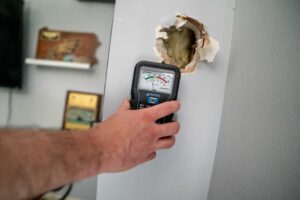
To catch the stuff you can’t see, technicians break out moisture meters, thermal imaging cameras, and other specialized gear. That’s how they find the trouble hiding behind walls and under floors. From there, they can map out the smartest game plan for getting your place back to normal.
Step 2: Remove the Source
Here’s the honest truth: no fancy deodorizing tech in the world will fix the smell if the contaminated materials are still sitting there. You’ve got to get rid of the source first.
So the pros pull out anything that’s too far gone, like:
- Drywall that can’t be saved
- Soaked insulation
- Damaged carpeting
- Burned furniture
- Contaminated debris
- Mold-infested materials
This step honestly does the heavy lifting. Nail this part, and you’re already halfway to a fresh-smelling home.
Step 3: Deep Cleaning of All Surfaces
Once the ruined stuff is out, it’s time to roll up the sleeves and really scrub. And we’re not talking about a quick wipe-down here, this is a proper deep clean.
Depending on whether you’re dealing with fire or flood damage, the crew might reach for:
- HEPA vacuuming
- Specialized detergents
- Alkaline smoke cleaners
- Antimicrobial solutions
- Encapsulation products
- Dry cleaning sponges
- Steam cleaning
Every surface that got exposed, walls, ceilings, framing, flooring, structural bits, all of it needs to be cleaned up right before any deodorizing even begins. Skip this, and you’re just deodorizing over dirt.
Step 4: Structural Drying
If water’s involved, this step is non-negotiable. Everything has to be bone-dry before deodorizing starts, and pros have the equipment to make it happen fast:
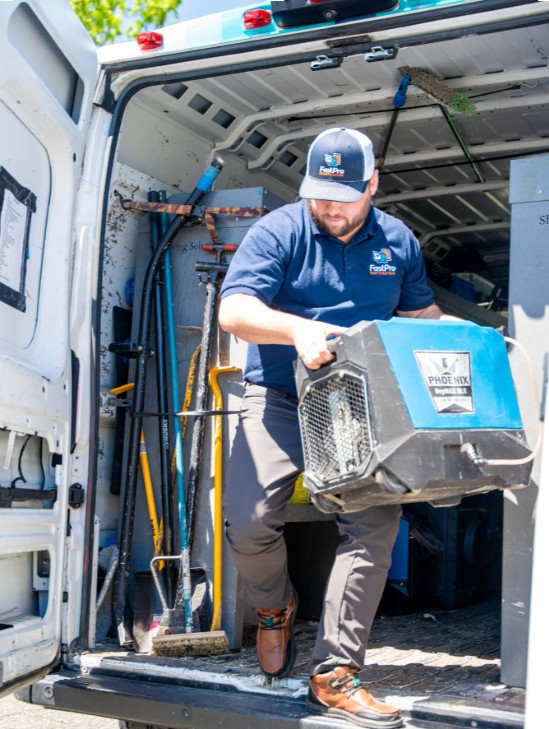
- Commercial air movers
- Low-grain refrigerant dehumidifiers
- Desiccant dehumidifiers
- Moisture monitoring systems
And here’s why it matters so much: even a little bit of leftover moisture tucked away where you can’t see it is all mold and bacteria need to move back in. Next thing you know, that smell’s creeping back weeks later. Getting it truly dry is one of those steps you just can’t cut corners on.
Step 5: Thermal Fogging
Now, for one of the coolest tricks in the book, thermal fogging. It’s a favorite after fire damage, and for good reason.
Here’s how it works: a deodorizing solution gets heated into an ultra-fine fog that acts a lot like smoke itself. Because those particles are so tiny, they slip into all the same cracks, porous materials, and hidden nooks that the original smoke crept into. Regular sprays just can’t reach those spots.
As the fog drifts through, it actually neutralizes the odor molecules baked into the structure instead of just masking them. That’s a big deal when smoke has soaked into wall cavities, insulation, framing, or anywhere else that’s a pain to get to. The fog goes where the smoke went, simple as that.
Step 6: Ozone Treatment
When the smoke smell is really stubborn, the pros sometimes bring in ozone generators to knock it out.
Ozone gets rid of odors by oxidizing the molecules causing them, basically changing them at a chemical level, so they stop stinking altogether. It works wonders in empty buildings after a fire.
One important thing to know: ozone isn’t safe to be around, so the building has to stay completely empty during treatment. No people, no pets, no plants. Technicians follow strict safety steps before anyone’s allowed back inside. Done the right way, though, ozone can wipe out those tough smoke odors that survive a regular cleaning.
Step 7: Hydroxyl Generation
Not every situation lets you clear out the whole building, and that’s where hydroxyl generators come in handy.
Unlike ozone, hydroxyl technology creates highly reactive hydroxyl radicals that break down odor molecules, but it’s gentle enough that restoration work can usually keep rolling in occupied or partly occupied spaces. So nobody has to pack up and leave.
That flexibility makes it a go-to for commercial buildings, healthcare facilities, and homes where clearing everyone out just isn’t practical.
Step 8: HVAC Cleaning
Last but definitely not least: don’t forget the HVAC system. Smoke and flood odors love to hitch a ride through your ductwork, spreading the smell all over the property.
And here’s the kicker if those ducts stay contaminated, the odor can keep coming back long after everything else looks fixed. That’s a frustrating surprise nobody wants.
So a proper restoration job often includes:
- Air duct cleaning
- HEPA vacuuming
- Coil cleaning
- Filter replacement
- Antimicrobial treatment
- HVAC deodorization
Skip the HVAC system, and you’re basically inviting that smell right back in. Handle it, and you finally close the door on those odors for good.
Why Quick Response Matters
When it comes to odor removal, timing is honestly everything. The clock starts ticking the moment fire or flood damage happens, and every hour those contaminants sit inside your home, things get a little worse.
Here’s what happens the longer you wait:
- Odors sink deeper into your walls, floors, and everything else
- Mold gets a much better chance to move in and take hold
- Smoke residue hardens and becomes way tougher to clean
- Building materials start breaking down for good
- And your restoration bill climbs right along with all of it
So the takeaway is simple: act fast. Jumping on the problem right away makes a huge difference in how well your home bounces back, and it can save you a serious chunk of money down the line. The sooner the pros get in there, the better your results and the smaller the headache.
Preventing Future Odor Problems
Once your home is back to normal, the good news is there’s plenty you can do to keep those smells from ever creeping back. Most of it comes down to simple, everyday upkeep, the kind of stuff that quietly keeps moisture and trouble out of your home.
Here’s what to stay on top of:
- Fix roof leaks fast: the second you spot one, deal with it before water finds its way in
- Keep your plumbing in good shape: a small leak behind the scenes can cause big problems over time
- Clean your gutters: clogged gutters back water up right where you don’t want it
- Keep indoor humidity in check: damp air is basically an open invitation for mold and musty smells
- Swap out HVAC filters regularly: clean filters mean cleaner, fresher air moving through your home
- Book an annual roof inspection: a yearly checkup catches little issues before they turn into leaks
- Handle foundation moisture: dampness creeping up from below leads to that stubborn musty smell
- Jump on water leaks immediately: the faster you dry things out, the less chance odors have to settle in
Bottom line? A little prevention goes a long way. Staying ahead of these small tasks is almost always cheaper and a whole lot less stressful than dealing with a full restoration later on. Take care of your home now, and it’ll take care of you.
Choosing an Odor Removal Professional
Here’s something worth knowing: not every cleaning company is cut out for disaster deodorizing. Getting rid of smoke or flood smells for good takes real training, the right equipment, and hands-on experience so you’ll want to be a little choosy about who you call.
Look for a restoration contractor like FastPro who brings the following to the table:
- 24/7 emergency response: because disasters don’t wait for business hours, and neither should your help
- Fire and water restoration expertise: folks who’ve genuinely handled this kind of thing before
- Certified restoration technicians: proper training makes all the difference
- Commercial drying equipment: the heavy-duty stuff that actually gets your place bone-dry
- Thermal fogging capabilities: for reaching odors hiding deep in the structure
- Ozone treatment: to knock out the really stubborn smoke smells
- Hydroxyl technology: a gentler option when the building can’t be cleared out
- Moisture detection equipment: to find the hidden dampness you’d never spot on your own
- Insurance claim assistance: a huge help when you’re already stressed and juggling paperwork
- Complete structural cleaning: a thorough job, not just a surface wipe-down
The real difference with a seasoned restoration company? They don’t just chase the smell around. They fix what caused it in the first place. Tackle both the odor and the damage behind it, and you finally get a lasting result instead of a temporary patch.
Final Thoughts
If your home or business still smells off after a fire or flood, that lingering odor is trying to tell you something. It’s rarely just a surface issue. Usually, it means smoke residue, trapped moisture, bacteria, mold, or other contaminants are still tucked away somewhere inside. Out of sight, sure, but definitely not gone.
That’s exactly why real odor removal follows a clear, step-by-step game plan. The pros track down the source, pull out anything that’s too far gone, deep-clean every affected surface, dry the whole structure out completely, and then bring in advanced deodorizing methods like thermal fogging, ozone, hydroxyl treatment, and encapsulation when the situation calls for it. Every step builds on the last, and skipping any of them just invites the smell right back.
And here’s the honest truth about those store-bought fixes: candles, sprays, and plug-ins might mask things for a little while, but they never solve the real problem. Getting rid of an odor for good means dealing with what’s actually causing it.
So don’t just live with it and hope it fades. Calling in the right professionals quickly restores your indoor air quality, protects your property from further damage, and, maybe best of all, gives you the peace of mind of knowing it’s truly handled. You deserve a home that feels fresh again, and getting there starts with one quick call: https://www.callfastpro.com/contact-us/
Frequently Asked Questions
What is professional odor removal?
Professional odor removal is the process of eliminating odor-causing contaminants using specialized cleaning methods and advanced deodorization equipment rather than simply masking smells.
Why does the smoke odor last so long?
Smoke particles penetrate porous materials such as drywall, insulation, wood, fabrics, and HVAC systems, where they continue releasing odors until properly removed.
Can flood odors disappear on their own?
Rarely. Persistent flood odors usually indicate trapped moisture, bacteria, mildew, or mold that requires professional drying and cleaning.
What is thermal fogging?
Thermal fogging heats a deodorizing solution into a fine mist that penetrates hidden spaces and neutralizes embedded odor molecules.
Is ozone treatment safe?
Yes, when performed by trained professionals. Buildings must remain unoccupied during ozone treatment, and re-entry occurs only after the ozone has dissipated
What is the difference between ozone and hydroxyl treatment?
Ozone is highly effective but requires vacancy during treatment. Hydroxyl technology can often be used while restoration activities continue in occupied spaces.
Can HVAC systems spread odors?
Yes. Smoke particles, mold spores, and contaminants inside ductwork can continually recirculate unpleasant odors throughout a building.
How long does professional odor removal take?
The timeline depends on the extent of fire or flood damage. Small projects may take one to two days, while severe losses can require several days or longer.
Does insurance cover odor removal?
Many homeowners’ insurance policies cover odor removal when it is part of a covered fire or water damage claim. Coverage varies by policy.
When should I call a restoration company?
Contact a restoration professional immediately after fire or flood damage. Rapid response helps limit contamination, reduces restoration costs, and improves the chances of complete odor elimination.