Why Fire Board-Up is Important
Why do you guys board up a house or building after a fire? Is a question we often get. The reason is very simple: A fire can turn a normal day upside down in just a few minutes. And here’s something most people don’t realize: even after the firefighters pack up and leave, the danger is far from over. You’re often left with broken windows, damaged doors, weakened walls, and a roof that’s wide open to the elements. All of that opens the door to a whole new wave of problems. This is exactly when boarding up your property professionally becomes one of the smartest moves you can make.
The numbers back this up. In 2025, there were 2,133 deadly residential fires across the country, and Pennsylvania alone reported 153 civilian deaths, more than any other state, according to the U.S. Fire Administration.
It’s easy to assume the emergency is over the moment the flames are out. But the truth is, the hours right after a fire often decide whether your losses settle down or keep piling up. Rain can pour into exposed rooms and soak everything inside. Vandals can walk right into an unlocked, unsecured building. Wildlife can move in without a second thought. And with the structure weakened, anyone stepping inside could be putting themselves at real risk.
That’s where professional board-up services make all the difference. They create an immediate barrier that protects what’s left of your property, and they set up a safer space for everyone who needs to come through next, from restoration crews and insurance adjusters to you as the property owner.
Why Immediate Board-Up Matters
The hours right after a fire often determine whether your losses stabilize or keep climbing. Emergency board-up work is the first real line of defense against that second wave of destruction. It creates stability during the recovery process and helps keep a manageable insurance claim from ballooning into something far more complicated.
Protecting People from Hazards That Aren’t Always Obvious
Fire-damaged buildings often look worse than they are in some places and better than they are in others, and that’s part of what makes them so dangerous. Unstable walls, loose roofing materials, falling glass, collapsing ceilings, electrical hazards, and smoke residue can all be present without being immediately visible. Without professional training, it’s genuinely difficult to know where it’s safe to walk.
Board-up crews install temporary barriers around compromised openings, reducing the chance that anyone wanders into a hazardous area. That protection isn’t just for the property owner. Neighbors, children, curious passersby, and even emergency personnel benefit from limiting unnecessary exposure to conditions that can seriously hurt someone.
Preventing Theft and Vandalism
A vacant, fire-damaged building gets noticed. Criminals understand that damaged properties often still contain things worth taking like appliances, copper wiring, HVAC equipment, plumbing fixtures, personal belongings, or business inventory. Once those items are gone, the insurance process becomes more complicated and replacement costs start adding up fast.
Professional board-up services remove the obvious invitation. Secured openings and visible signs of active management send a clear message that the property isn’t abandoned and isn’t easy to access. That alone is often enough to deter opportunistic theft.
Shielding the Interior from Weather
One decent thunderstorm can do serious damage to a building that’s already been compromised. Without functioning windows or an intact roof, water finds its way into hardwood flooring, drywall, electrical systems, cabinets, insulation, and structural framing. And once moisture gets in, it doesn’t just sit there, it creates the conditions for mold growth.
What starts as a fire damage claim can quietly turn into a combined fire, water, and mold remediation project. Prompt board-up services close off that exposure and buy the property time until permanent repairs can begin.
Maintaining Structural Stability
Board-up work involves much more than simply covering broken windows. In many cases, fire-damaged properties need a careful assessment before temporary protection can be installed safely and effectively.
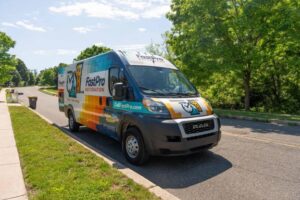
Experienced restoration professionals like FastPro evaluate the structure’s condition and determine the type of support needed based on the extent of the damage. Depending on the situation, services may include:
- Window enclosures
- Door reinforcement
- Roof tarping
- Temporary framing
- Fence installation
- Perimeter security
- Debris stabilization
Each of these measures helps protect the property and maintain its stability until permanent repairs or reconstruction can begin.
Protecting Commercial Operations
For business owners, downtime can quickly turn into lost revenue. Even when operations need to stop for a period of time, securing the property is still a critical first step.
Professional board-up services can help protect valuable business assets, such as:
- Inventory
- Equipment
- Important documents
- Technology
- Customer records
- Manufacturing assets
Securing the site also creates a safer environment for contractors, engineers, insurance adjusters, and investigators to inspect the property and move the recovery process forward. The sooner restoration can begin, the sooner business operations can get back on track.
Reducing Liability Risks
A fire-damaged property that is left unsecured can create serious liability concerns. If someone enters the building and gets hurt, the property owner could face legal and financial consequences.
Even if a structure appears vacant or abandoned, the owner may still be responsible for taking reasonable precautions. Professional board-up services help limit unauthorized access and demonstrate that steps were taken to secure the premises.
That kind of proactive protection can become especially important if legal issues come up later.
Keeping Wildlife Outside
Fire-damaged buildings often attract animals looking for shelter. Birds, squirrels, raccoons, stray cats, and rodents can squeeze through surprisingly small openings and quickly create even more problems inside the property.
Once they get in, they may:
- Damage insulation
- Chew through wiring
- Contaminate surfaces
- Build nests inside walls
- Block ventilation systems
Prompt board-up services help prevent these added complications and protect the property from further damage while it awaits restoration.
Supporting Faster Restoration
Here’s the thing about restoration: nothing really gets going until the building is stable. Contractors can’t just walk in and start fixing drywall, laying new floors, wiring things up, or rebuilding framing while the place is still wide open to wind, rain, and whatever else wants to get inside.
That’s where emergency board-up comes in. It creates a safe, controlled space so the restoration crew can actually get to work instead of fighting a losing battle against ongoing damage. And honestly, that usually means the whole project wraps up faster and costs less, since you’re not paying to fix damage that piled up while the building sat exposed.
What Professional Board-Up Includes
Every property is a little different, so no two jobs look exactly the same. That said, a solid board-up service usually covers things like:
- Emergency response
- Damage assessment
- Window boarding
- Door reinforcement
- Roof tarping
- Structural bracing
- Temporary fencing
- Site security recommendations
- Documentation for insurance carriers
- Ongoing monitoring when needed
Good crews don’t just slap the same fix on every building. They actually look at the condition of your property and tailor the protection to what it needs.
Why DIY Isn’t Worth the Risk
Fire-damaged buildings can be hiding all kinds of trouble: shaky framing, a roof that’s barely holding on, electrical hazards you can’t see, and floors that might give out under you. None of that is obvious until it’s a problem.
Restoration professionals come in with the right gear including specialist equipment, fall protection and commercial-grade materials. Plus they have the experience to work safely in a building that’s not exactly reliable. Trying to patch things up without that training is a fast way to hurt yourself or make the damage even worse.
Choosing the Right Board-Up Company
Not every restoration contractor can actually show up in an emergency and handle this right. So when you’re picking a company, keep an eye out for:
- 24/7 emergency availability
- Fast arrival times
- Licensed and insured technicians
- Experience with fire restoration
- Insurance claim assistance
- Detailed documentation
- Both commercial and residential expertise
- Temporary roof protection
- Structural stabilization experience
A good team knows that boarding up is just step one. It’s the start of a much bigger recovery process and they treat it that way.
Final Thoughts
A fire doesn’t stop being a problem the moment the flames are out. In fact, every hour that the building sits open is another hour for theft, weather, structural damage, liability headaches, and repair bills to keep stacking up.
Professional board-up services step in right when your property is most vulnerable. They protect the people around it, keep your valuables safe, back up your insurance claim, and lay the groundwork for a smooth restoration.
So if your home or business has been hit by fire damage, don’t sit on it. Getting board-up services in place quickly can be the difference between a clean, straightforward recovery and months of headaches you didn’t have to deal with.
Frequently Asked Questions
How quickly should board-up services begin after a fire?
Ideally, emergency board-up work should begin immediately after firefighters declare the property safe to enter. Fast action helps prevent theft, weather damage, and additional deterioration.
Does homeowners' insurance cover board-up services?
Many insurance policies include emergency mitigation measures such as board-up services when they help prevent additional covered damage. Review your policy or consult your insurance representative.
What materials are used during a board-up?
Professionals typically use heavy-duty plywood, reinforced fasteners, temporary framing materials, roof tarps, and specialized hardware designed to withstand weather and unauthorized entry.
Can a business reopen after a partial board-up?
It depends on the extent of the fire and local building safety requirements. Some businesses may resume limited operations while damaged areas remain secured.
How long can the temporary board-up remain in place?
Temporary protection is designed to safeguard the property until permanent repairs begin. The exact timeframe depends on insurance approvals, reconstruction schedules, and local regulations.
Is roof tarping included with board-up services?
Many restoration companies, like FastPro, provide roof tarping when fire damage exposes the structure to weather infiltration.
Will board-up services prevent mold?
They significantly reduce moisture intrusion by limiting exposure to rain and environmental conditions. Preventing water infiltration lowers the likelihood of mold development.
Are commercial buildings boarded differently than homes?
Yes. Commercial properties often require larger panels, reinforced entry points, perimeter fencing, equipment protection, and additional security measures.
Can board-up services secure detached garages or sheds?
Absolutely. Any fire-damaged structure with compromised openings can benefit from temporary protective barriers.
Should I wait for my insurance adjuster before boarding up?
No. Most insurers expect property owners to take reasonable steps to prevent additional damage. Immediate board-up services are widely considered the first part in the overall fire restoration process. You can call your insurance companies 24/7 claims hotline if you would like to confirm with them before proceeding.